
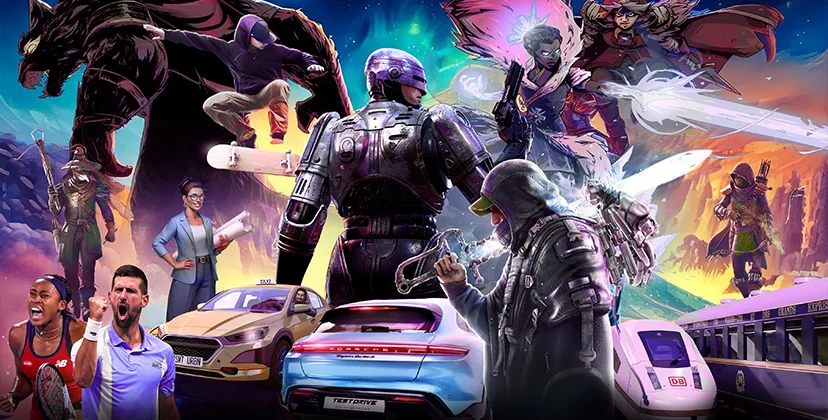
Modern games have become an important part of everyday entertainment, offering players experiences that combine technology, creativity, competition, and social interaction. The gaming world has moved far beyond simple electronic challenges. Today, games can feature enormous virtual environments, realistic graphics, interactive stories, online communities, and creative tools that allow players to shape their own experiences.
The Rise of Modern Gaming
The development of modern games has been closely connected with improvements in technology. Earlier games were limited by basic hardware, but modern computers, consoles, and mobile devices can process much larger amounts of information.
Developers can now create detailed environments, advanced animations, complex characters, and interactive systems. Internet connectivity has also made it possible for players to participate in shared experiences with people from different parts of the world.
Gaming Across Different Platforms
Modern games are available on many platforms, including computers, consoles, smartphones, and tablets. Each platform provides different advantages and attracts different audiences.
Computers offer flexibility and support a wide range of genres, while consoles provide dedicated gaming experiences. Smartphones make gaming convenient because users can access games almost anywhere.
Cross-platform technology is also becoming more common. It allows players on different devices to participate in the same gaming environment, making online communities more connected.
Popular Modern Game Genres
The modern gaming industry contains a wide range of genres. Action games emphasize movement and quick reactions, while strategy games focus on planning and decision-making.
Role-playing games often include character development, exploration, and storytelling. Sports and racing games provide competitive simulations, while puzzle games challenge players to solve problems.
Simulation and building games are also popular because they provide players with freedom to create and manage virtual environments. The variety of genres ensures that gaming can appeal to people with different interests.
The Importance of Multiplayer Gaming
Multiplayer gaming has become a central feature of modern games. Players can cooperate with friends, compete against other teams, and communicate during matches.
Team-based games often require strong coordination. Players may have specific roles and must work together to complete objectives. This can make multiplayer gaming both challenging and socially engaging.
Online communities can also continue outside the game. Players may discuss strategies, share videos, follow updates, and participate in gaming events.
Modern Game Design
Game design has become increasingly sophisticated. Developers carefully consider controls, difficulty, progression, storytelling, visual design, sound, and player feedback.
A successful game usually provides clear goals while giving players enough freedom to experiment. Good design can make challenges feel rewarding rather than frustrating.
Modern developers also have access to advanced tools that make it easier to create complex environments and interactive systems.
Graphics and Immersive Experiences
Modern graphics technology allows games to display highly detailed environments and characters. Realistic lighting, animation, weather effects, and sound can make digital worlds feel more immersive.
However, visual realism is not always necessary. Many successful games use colorful, stylized, or artistic designs instead of attempting to recreate reality.
The important factor is how effectively the visual style supports the overall gameplay and atmosphere.
Artificial Intelligence and Future Gameplay
Artificial intelligence is increasingly influencing the development of modern games. AI systems can control non-player characters, assist with testing, and support certain content-development processes.
Future games may use AI to make characters more responsive and environments more dynamic. Players could encounter experiences that change based on their decisions and playing styles.
The technology is still developing, and developers will need to balance innovation with good game design.
Virtual Reality and New Technologies
Virtual reality offers a different approach to gaming by allowing players to interact with digital environments from an immersive perspective. Instead of simply watching a game on a screen, players can look around and interact with virtual spaces.
Augmented reality can also create new experiences by placing digital elements into real-world surroundings. These technologies could influence the future of gaming as hardware becomes more accessible.
The Growth of Esports
Esports has become a major part of modern gaming culture. Professional competitions bring together highly skilled players and teams in organized tournaments.
Competitive gaming involves practice, strategy, communication, and concentration. Esports has also created opportunities for commentators, coaches, organizers, broadcasters, and content creators.
Large gaming communities can form around competitive events, making esports an important part of the wider entertainment industry.
Games and Creativity
Modern games provide opportunities for both developers and players to be creative. Developers combine programming, art, music, writing, animation, and design to create interactive experiences.
Players can also become creators through games that offer building and customization tools. They can design structures, create environments, customize characters, and experiment with different ideas.
This creative element makes gaming more than simple entertainment for many people.
Healthy Gaming Habits
Gaming can be enjoyable when it is part of a balanced routine. Players should make time for sleep, physical activity, education, work, family, and other interests.
Taking breaks during long gaming sessions can also help maintain comfort and focus. Responsible gaming allows players to enjoy interactive entertainment without allowing it to interfere with important daily responsibilities.
Conclusion
Modern games have developed into a diverse and innovative form of entertainment. They combine advanced technology with storytelling, creativity, competition, and social interaction.
From mobile games and online multiplayer platforms to virtual reality and esports, the modern gaming industry offers experiences for a wide range of players. As technology continues to improve, games will likely become even more interactive and accessible while continuing to provide the challenges and entertainment that make gaming so popular.